How Flood Insurance Affects Your NOLA Home Purchase
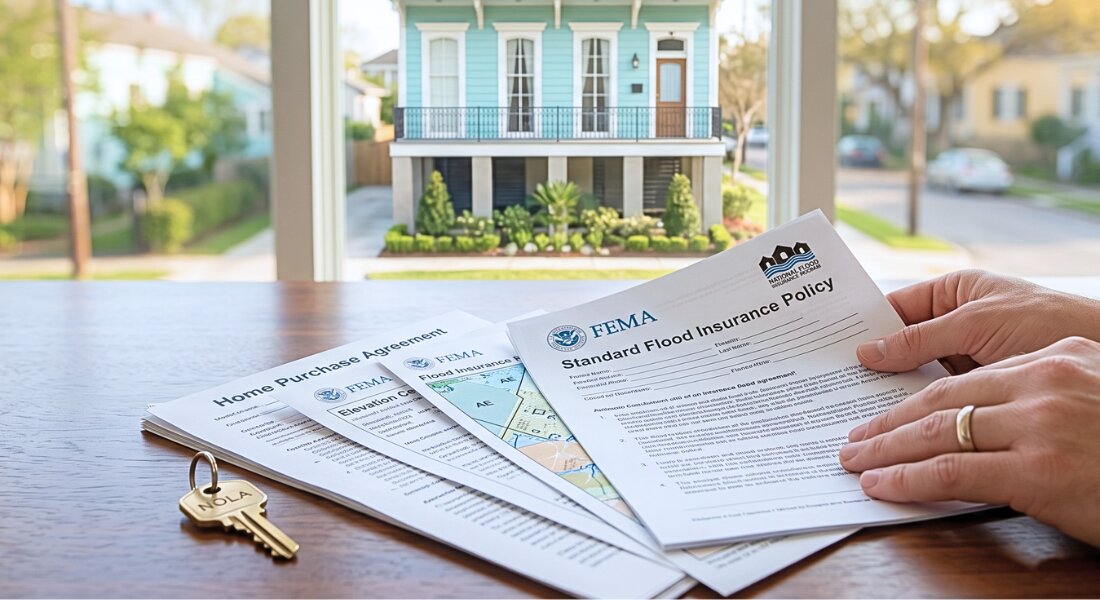
Flood insurance isn’t optional in New Orleans. If your home sits in a high-risk flood zone and you’re financing through a mortgage, your lender will require it before closing. Even if you’re paying cash, the financial risk of skipping coverage in our vulnerable landscape is enormous. Understanding how flood insurance works and what it costs should be a cornerstone of your home buying strategy in the greater New Orleans area.
What Flood Insurance Actually Covers
Standard homeowners insurance does not cover flood damage, period. Flood insurance is a separate policy, often purchased through the National Flood Insurance Program (NFIP), though private insurers now offer options too. The policy covers physical damage to your home’s structure and contents caused by rising water. Heavy rain, storm surge, and overflow from lakes and rivers all qualify as covered flood events.
The key word here is water damage from an actual flooding event. Sump pump failures, backed-up sewers, and water seeping through cracks won’t qualify. Keeping that distinction in mind is essential when evaluating your exposure and budgeting for protection.
Your Flood Zone Determines Your Cost
FEMA maps divide properties into flood zones based on historical data and elevation. High-risk zones, often labeled AE or A, sit in the 100-year floodplain and face the steepest premiums. Moderate-risk areas pay less, and low-risk zones pay the least. Your property’s exact zone is the single biggest factor in your annual insurance bill. Premiums can range from a few hundred dollars to several thousand per year.
Before making an offer on any home, request the FEMA flood zone map and get a preliminary insurance quote. Some neighborhoods in New Orleans carry dramatically different flood insurance costs based on elevation and proximity to levees. Flood insurance costs can swing your total housing expense by thousands of dollars per year, so this absolutely belongs in your financial planning.
About the Author: Billy Borrouso is a licensed real estate broker and Certified Residential Specialist (CRS) with over 20 years of experience in the New Orleans metropolitan area. Since 2004, Billy has guided buyers, sellers, and investors through every stage of the real estate process from first-time home purchases to new construction in Old Metairie. He is a consistent NOMAR Gold Award recipient (2007–2011) and previously worked with Esslinger-Wooten-Maxwell Realtors, one of South Florida’s largest firms. Billy’s deep knowledge of New Orleans neighborhoods and his hands-on approach make him a trusted partner from start to finish.
Elevation Certificates and Ways to Lower Your Premiums
An elevation certificate documents your home’s height relative to the base flood elevation for your zone. If your home sits above the flood level, you may qualify for lower rates or even exemption from mandatory insurance requirements. Getting this certificate costs a few hundred dollars but often pays for itself in the first year through premium reductions.
Other ways to reduce flood insurance costs include installing flood vents, elevating mechanical systems, or raising your home’s lowest floor. These improvements take time and money upfront but can meaningfully drop your annual premiums. When you’re selling a property with these upgrades already in place, you have a real selling point for buyers.
For buyers in moderate-risk areas, explore private flood insurance options as well. Some private carriers now compete with NFIP policies and may offer better rates or terms depending on your specific situation.
Have questions about buying or selling? Reach out to us today and we’ll be happy to help you every step of the way.