Historic Home Renovations: Preserving Character in NOLA
New Orleans homes tell rich stories through their shotgun galleries, ornate ironwork, and plaster moldings. When you’re restoring one of these properties, the challenge isn’t just making it functional again. You must keep its soul intact while meeting modern building codes. Whether you’re buying a historic home or planning a renovation, understanding how to balance preservation with practicality will save you money, headaches, and regret.
Know What You’re Actually Restoring
Historic homes in New Orleans span multiple eras, each with different construction methods and materials. A 1920s Creole cottage uses different framing than an 1880s Victorian. Plaster walls require different care than original brick. Before swinging a hammer, get a detailed inspection from someone who understands pre-1940s construction. The goal is understanding what’s original, what’s been modified, and what needs special handling.
Many owners discover asbestos in old insulation or lead paint on century-old trim. These aren’t deal-breakers, but they need professional abatement. Skipping this step creates liability issues and serious health risks. A contractor experienced in historic renovations knows which materials matter and which can be safely replaced.
Work with Local Preservation Guidelines
Some New Orleans neighborhoods have strict architectural review boards that govern exterior changes. The Vieux Carré, the Marigny Historic District, and several other areas require approval before exterior changes. Knowing your community’s rules upfront prevents costly delays. Window replacement, roof materials, color choices, and even fence designs may need approval.
These guidelines exist for good reason. They protect the visual integrity of blocks and neighborhoods that draw people to New Orleans. Work with the review process rather than against it. Architects familiar with local requirements can streamline approvals and find creative solutions that satisfy both historic standards and your needs.
About the Author: Billy Borrouso is a licensed real estate broker and Certified Residential Specialist (CRS) with over 20 years of experience in the New Orleans metropolitan area. Since 2004, Billy has guided buyers, sellers, and investors through every stage of the real estate process from first-time home purchases to new construction in Old Metairie. He is a consistent NOMAR Gold Award recipient (2007–2011) and previously worked with Esslinger-Wooten-Maxwell Realtors, one of South Florida’s largest firms. Billy’s deep knowledge of New Orleans neighborhoods and his hands-on approach make him a trusted partner from start to finish.
Preserve Original Details When Possible
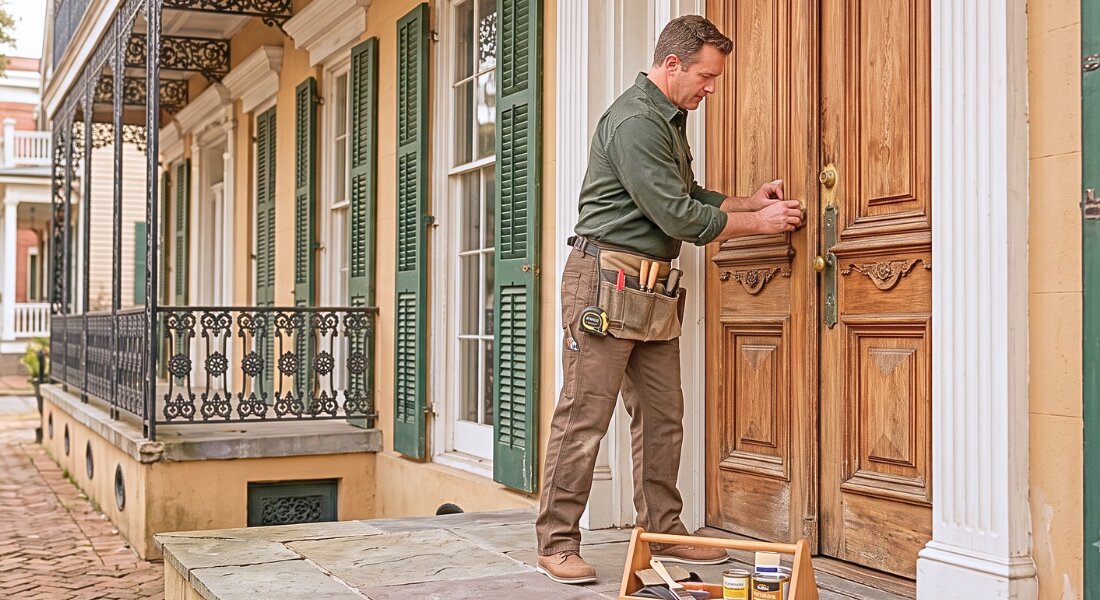
Original hardwood floors, mantels, doors, and hardware add irreplaceable value to a home. Refinishing old cypress or oak floors costs less than replacing them and maintains authenticity. Restoring original doors and repairing plaster walls often makes more sense than removal. The National Trust for Historic Preservation offers tax credits for qualified rehabilitation work, which can offset restoration costs significantly.
Not everything needs to stay, however. Hidden systems like plumbing, electrical, and HVAC can be modernized without affecting character. You can add air conditioning, update kitchens, and install new bathrooms while keeping the home’s visual identity. The goal is smart compromise: preserve what defines the home’s character and upgrade what ensures safety and comfort.
When you’re planning to sell a restored historic property, buyers recognize the difference between authentic renovation and halfhearted updating. Properties that respect their history command higher prices and sell faster. For detailed guidance, the Louisiana State Historic Preservation Office provides resources and requirements specific to our region.
Have questions about buying or selling? Reach out to us today and we’ll be happy to help you every step of the way.