
Moisture Control in New Orleans Homes: Prevention and Solutions
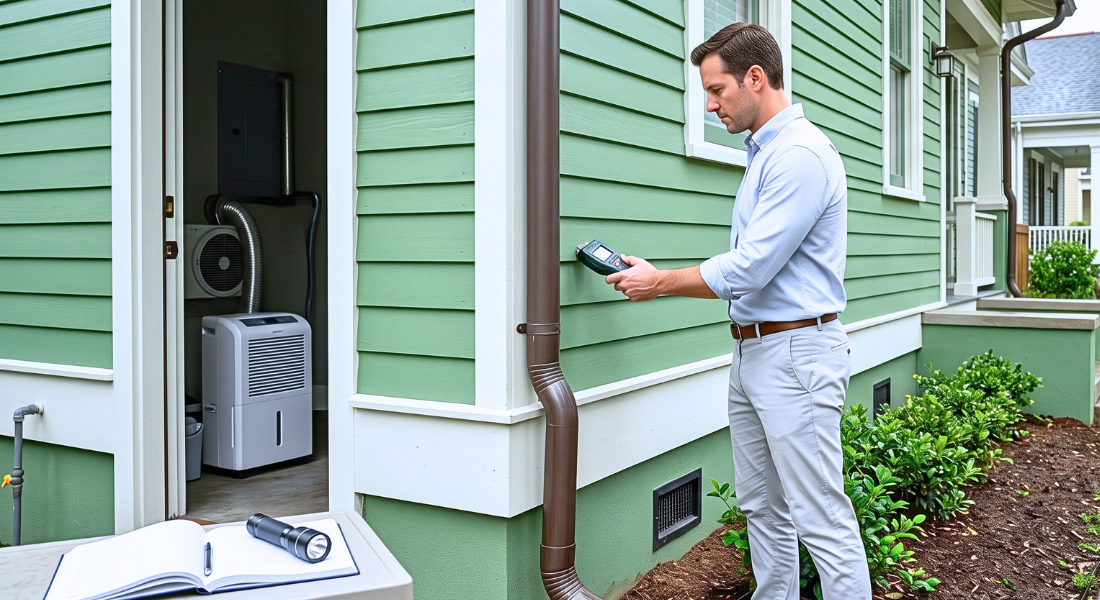
New Orleans’ subtropical climate means moisture isn’t just a winter concern. High humidity, heavy rainfall, and proximity to water create year-round conditions that damage wood framing, encourage mold growth, and compromise structural integrity. If you’re buying or selling a home in greater New Orleans, understanding moisture control is essential to protecting your investment. Moisture issues can make or break a deal, so it pays to know how to prevent and address them.
Understanding Moisture Sources in New Orleans Homes
Moisture enters homes through several pathways. Rising damp from the soil affects foundation walls and lower floors. Roof leaks, damaged gutters, and improper grading allow water to seep inside. Interior sources include inadequate ventilation in bathrooms and kitchens, where steam adds humidity to the air. Condensation on windows and pipes is another culprit, especially in homes without proper insulation.
New Orleans sits below sea level in many areas, so the water table is naturally high. A high water table elevates the risk of water intrusion through walls and foundations. Even well-maintained homes can develop moisture problems if ventilation systems fail or gutters clog. When buying a home, a moisture inspection should be part of your due diligence. This is especially true for older properties or those in flood-prone neighborhoods. Working with an experienced real estate agent who understands local conditions helps you spot red flags early.
Prevention Strategies That Work
The best moisture control starts with prevention. Install and maintain gutters and downspouts, directing water at least four feet from the foundation. Grade the soil around your home so water slopes away rather than pooling near walls. Run exhaust fans during cooking or showers and for 20 minutes after. Use a dehumidifier in basements and crawl spaces where moisture naturally accumulates.
Seal cracks in foundation walls and around windows promptly. Install vapor barriers in crawl spaces to reduce ground moisture. Check your roof regularly for damaged shingles or flashing, and trim branches that hang over the roof. Addressing these preventive measures makes your property more attractive to buyers. It also reduces the likelihood of moisture-related inspection issues when you sell.
When Professional Solutions Are Needed
Some moisture problems require professional intervention. Persistent dampness or visible mold growth signals a deeper issue that needs expert diagnosis. Foundation cracks may require epoxy injection or exterior waterproofing. Standing water in crawl spaces might necessitate a sump pump installation. Hiring a qualified home inspector trained to identify moisture damage protects you from costly repairs. When selling, transparency about any moisture history and your repairs builds buyer confidence.
According to the National Association of Realtors, water damage and mold are among the top concerns for homebuyers. In New Orleans specifically, lenders and insurers scrutinize moisture conditions carefully. Addressing these issues before listing makes a real difference in closing speed and final sale price. When you’re ready to sell your New Orleans home, we help you understand which issues buyers will care about most and how to position your property competitively.
Have questions about buying or selling? Reach out to us today and we’ll be happy to help you every step of the way.