New Orleans Home Appraisals: What Buyers Need to Know
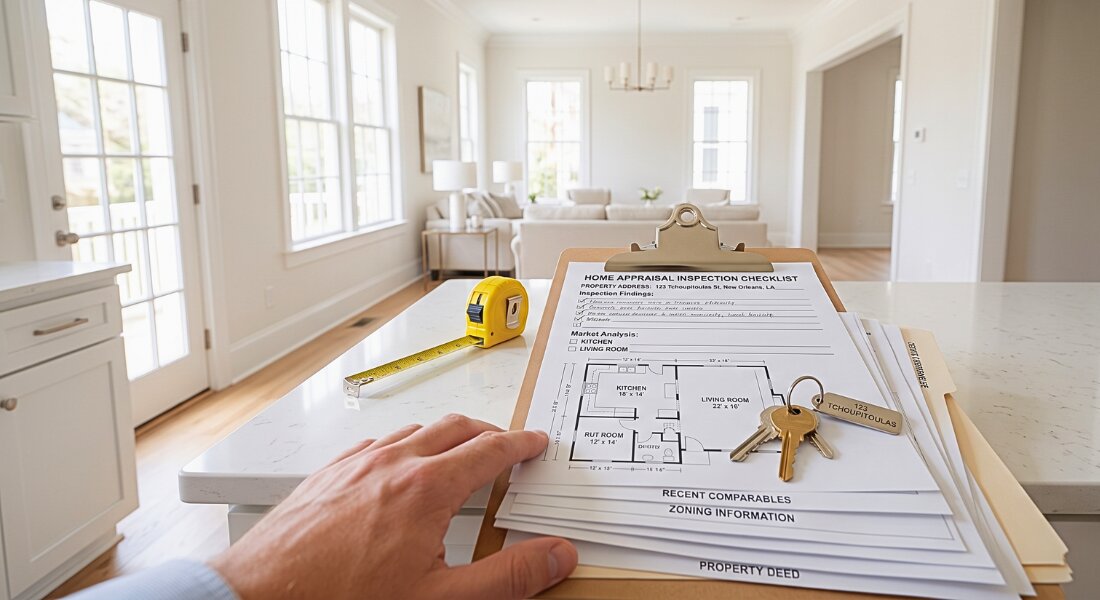
A home appraisal can make or break your offer in the New Orleans market. Many buyers assume the appraisal is a formality, but it is actually a critical checkpoint that lenders use to protect their investment. It can derail even solid offers if the numbers don’t align. Understanding how appraisals work, what appraisers look for, and how to prepare will give you confidence and prevent costly surprises.
What Is a Home Appraisal and Why It Matters
An appraisal is an independent professional assessment of a property’s market value. Your lender orders it before approving your mortgage because they won’t lend more than the home is worth. If the appraisal comes in lower than your purchase price, you face a gap. You can renegotiate with the seller, cover the difference yourself, or walk away. The appraisal protects the lender, but it directly affects your deal.
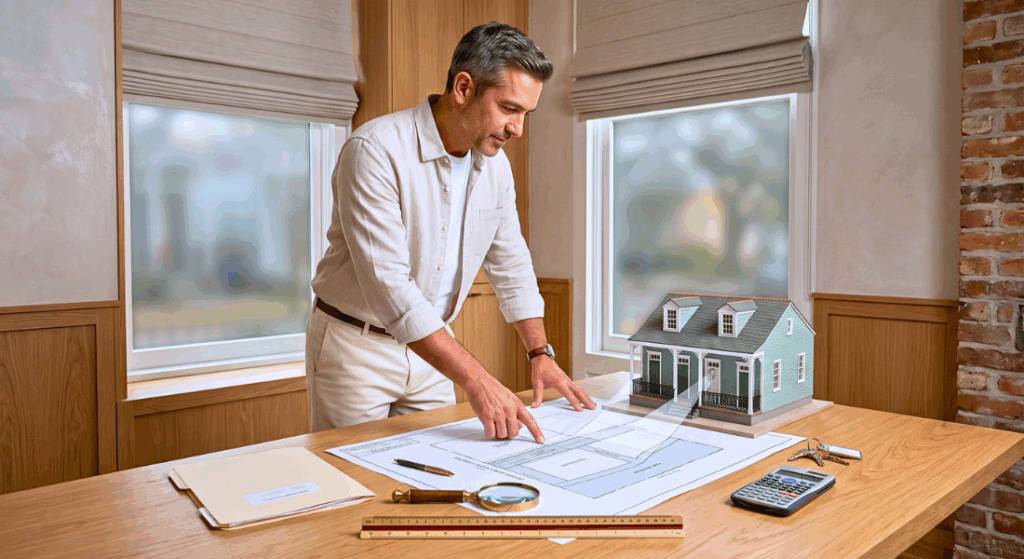
In New Orleans and surrounding areas, appraisers compare your property to recent sales of similar homes. They factor in the home’s age, condition, square footage, lot size, and unique features. An old Creole cottage near the French Quarter appraises very differently than a 1990s ranch home in Metairie, even if both have four bedrooms.
What Appraisers Actually Inspect
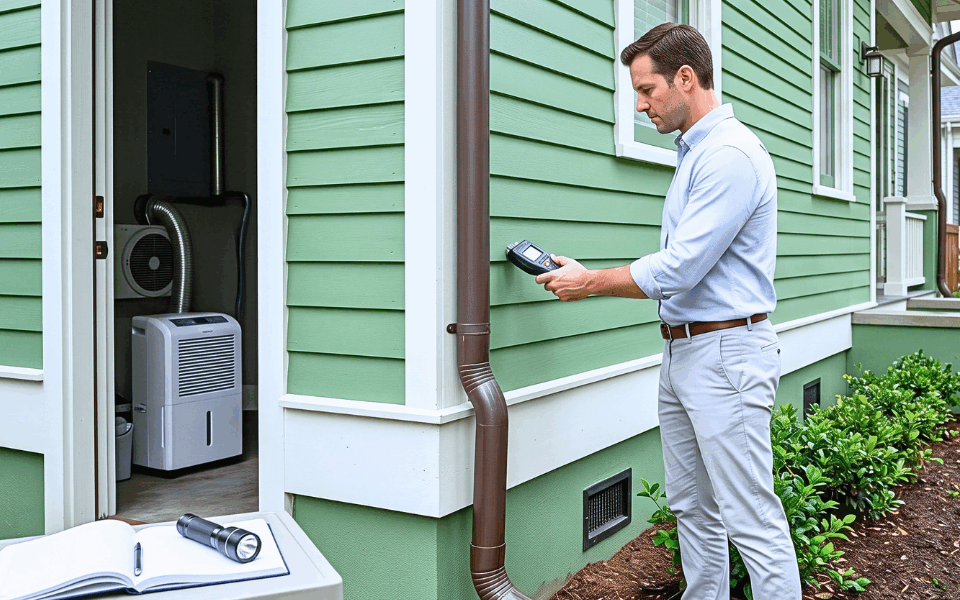
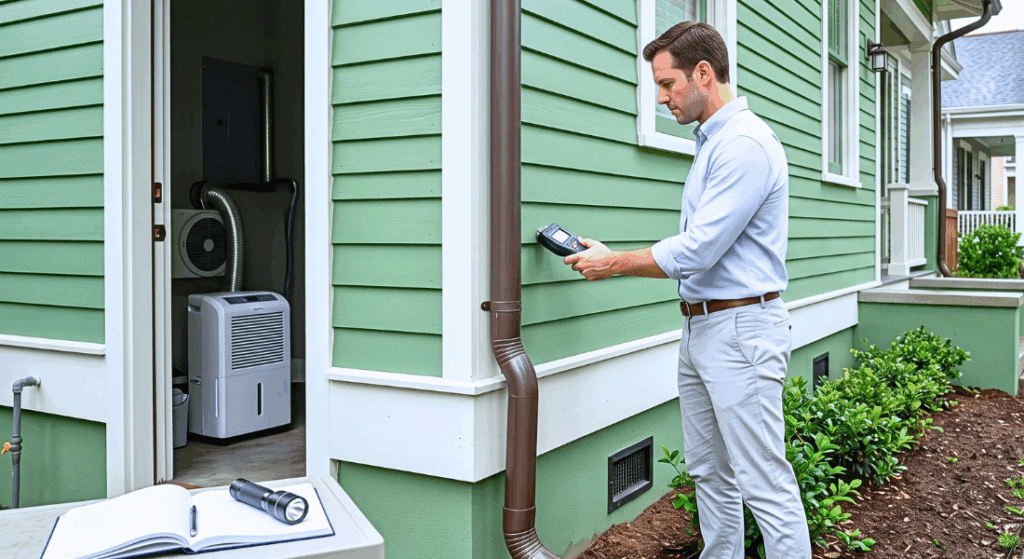
Appraisers spend time walking the property inside and out. They note the roof condition, foundation, plumbing, electrical systems, and HVAC equipment. They check for water damage, mold, termite signs, and structural issues. They measure rooms, count bathrooms, and assess the overall layout and flow of the home.
The exterior gets close attention too. Appraisers evaluate the lot size, landscaping, driveway, and any detached structures like a garage or shed. They also consider neighborhood factors such as school quality, nearby commercial properties, flood risk, and comparable sales within a reasonable radius.
About the Author: Billy Borrouso is a licensed real estate broker and Certified Residential Specialist (CRS) with over 20 years of experience in the New Orleans metropolitan area. Since 2004, Billy has guided buyers, sellers, and investors through every stage of the real estate process , from first-time home purchases to new construction in Old Metairie. He is a consistent NOMAR Gold Award recipient (2007–2011) and previously worked with Esslinger-Wooten-Maxwell Realtors, one of South Florida’s largest firms. Billy’s deep knowledge of New Orleans neighborhoods and his hands-on approach make him a trusted partner from start to finish.
How to Prepare Your Home for Appraisal
If you’re the seller, make sure the property is clean and accessible. Appraisers need to see every room, basement, and attic. Fix obvious maintenance issues like broken railings or missing shingles, and trim overgrown landscaping. You don’t need to renovate, but a well-maintained appearance supports a higher valuation.
As a buyer, request that your real estate agent or lender share the appraisal report once it’s complete. If the appraisal comes in low, you have options. You can provide documentation of comparable sales that support a higher value. Requesting a reconsideration of value or hiring an independent appraiser are also valid paths. Don’t ignore a low appraisal, and don’t assume the appraiser’s judgment is final.
Understanding New Orleans Appraisals Specifically
New Orleans neighborhoods vary wildly in character and value. A historic home in the Garden District commands a premium that a similar-sized home in a flood-prone area does not. Appraisers familiar with our market understand these nuances, which is why hiring a lender who uses local appraisers matters. Flood history and elevation factor into appraisals here more than in most US markets.
If you’re buying or selling a property in the greater New Orleans area, the appraisal process is one more reason to work with someone who knows this market. The right guidance at the right time can help you navigate appraisal surprises and keep your deal on track. For more information on how appraisals work in our region, visit the Appraisal Institute website.
Have questions about buying or selling? Reach out to us today and we’ll be happy to help you every step of the way.