New Orleans Home Buyer’s Guide to Property Taxes
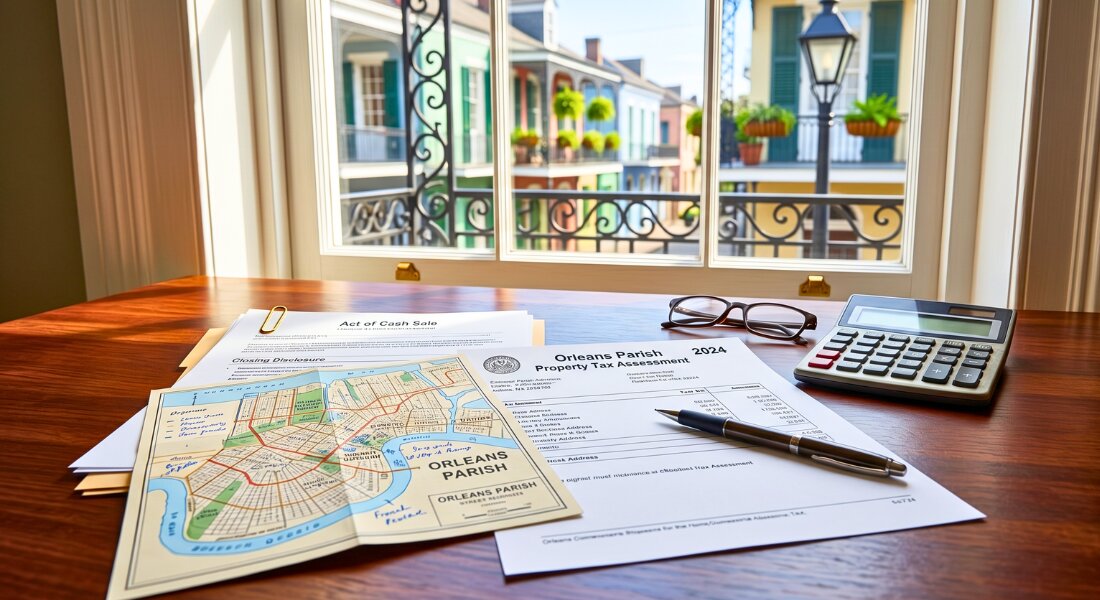
If you’re planning to buy a home in New Orleans, understanding property taxes is essential to your financial planning. Property taxes in Louisiana are among the lowest in the nation, but the system can seem confusing to newcomers. Knowing how assessments work, what homestead exemptions are available, and how to budget for these costs will help you make an informed decision and avoid surprises after closing.
How Property Tax Assessment Works in New Orleans
Louisiana’s property tax system is based on assessed value rather than market value. The Orleans Parish Assessor determines the assessed value of your property, which is typically lower than what you paid for it. This assessed value is then multiplied by the millage rate (the tax rate) to calculate your annual tax bill.
The millage rate varies by parish and includes taxes for schools, fire protection, levee maintenance, and other services. In Orleans Parish, the combined millage rate is significantly higher than in surrounding parishes like Jefferson or St. Bernard, so knowing which area you’re buying in matters considerably. You can find current millage rates on the City of New Orleans official website.
Assessed values are updated periodically, and property owners have the right to appeal if they believe their assessment is too high. Many New Orleans homebuyers find it worthwhile to review their assessment shortly after purchase.
Homestead Exemptions and Tax Relief Programs
One of Louisiana’s biggest advantages is the homestead exemption, which provides significant tax relief for primary residences. If you occupy your home as your primary residence, you can claim an exemption on the first $75,000 of assessed value. This exemption is automatically applied in most cases, reducing your taxable assessment substantially.
For homeowners age 65 or older with limited income, additional exemptions may apply. Veterans and disabled individuals also qualify for special exemptions under certain conditions. When you sell your property, understanding how these exemptions transfer (or don’t) to the new owner is important for pricing your home competitively.
Budgeting for Property Taxes and Planning Your Purchase
Property taxes are typically paid twice yearly in New Orleans. When calculating your true cost of homeownership, include property taxes in your monthly budget alongside insurance, maintenance, and utilities. A real estate professional can help you estimate your annual tax liability based on the specific property and neighborhood you’re considering.
Different neighborhoods and property types carry different assessment patterns. Homes in developing communities throughout Greater New Orleans may have varying assessments based on recent sales data and local improvements. Getting pre-approval for financing that accounts for these costs ensures you won’t face budget surprises.
Have questions about buying or selling? Reach out to us today and we’ll be happy to help you every step of the way.