Buying a Historic Home in New Orleans: What to Expect
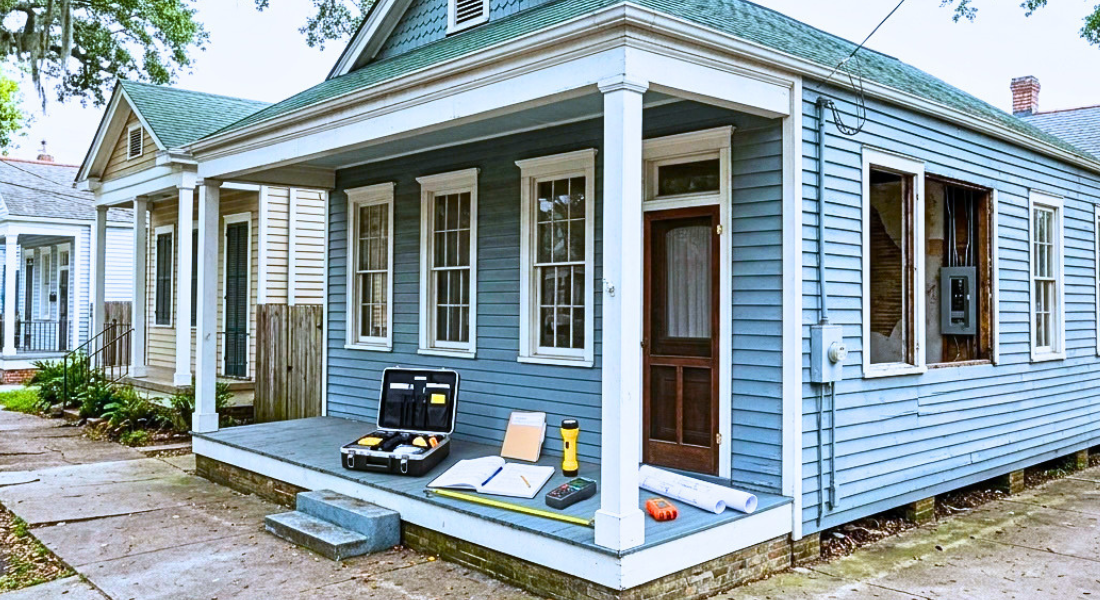
Historic homes in New Orleans are unlike properties anywhere else in America. Their character, craftsmanship, and location in walkable neighborhoods make them irresistible to many buyers. But buying a historic home means navigating restoration costs, building code compliance, and structural quirks that newer homes don’t have. If you’re ready to buy a historic home in New Orleans, understanding what lies ahead will help you make a confident decision.
Structural and Hidden Issues
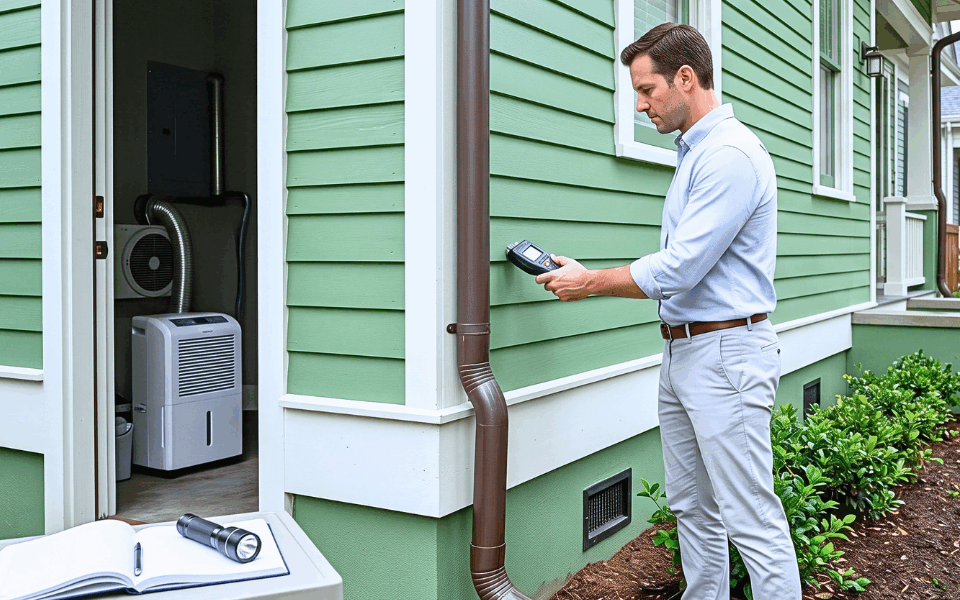
Old houses have personality, but they also have surprises. Foundation settlement, outdated electrical systems, plumbing that’s seen a century of use, and roof conditions that don’t show up in a quick walk-through are all common discoveries during inspection. Water damage and termite damage hide behind walls and under floors. A thorough home inspection by someone experienced with older homes is non-negotiable, not optional.
Many historic homes have been partially updated over the decades, creating a patchwork of old and new systems. You might find knob-and-tube wiring running alongside modern circuits, or cast iron pipes mixed with PVC. These mixed systems often need professional review before you close. Budget 1 to 3 percent of the purchase price for a detailed structural and systems inspection.
Renovation and Restoration Costs
Once you own the home, renovation happens on your timeline and your dime. Historic homes often need work that goes beyond cosmetic updates. Plumbing and electrical upgrades can cost $15,000 to $50,000 or more depending on the home’s age and condition. Roof replacement, foundation repair, and HVAC installation add to the bill quickly. Many buyers underestimate these costs and face financial strain after closing.
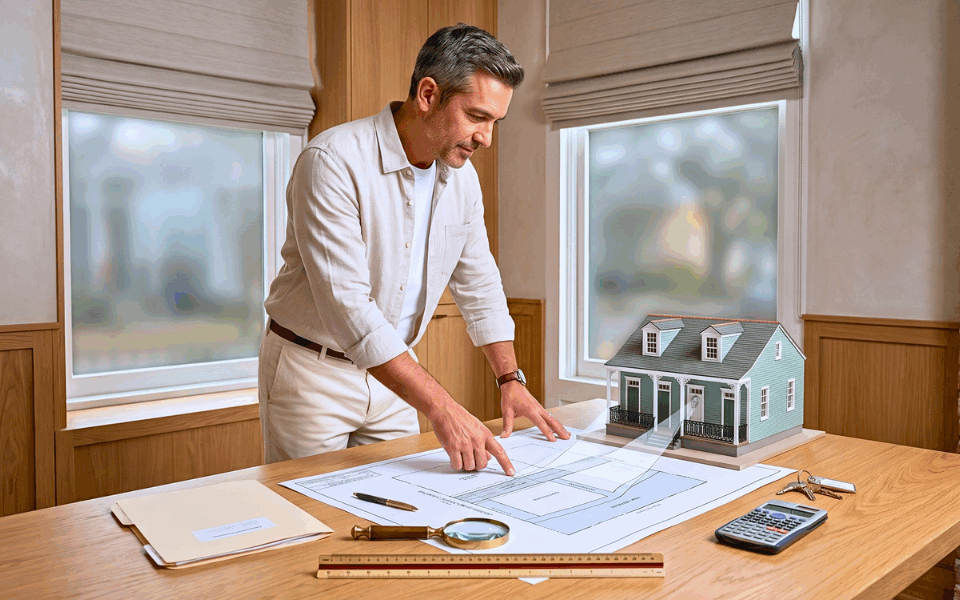
Before you make an offer, work with a contractor who specializes in historic New Orleans properties. Get a rough estimate for critical systems. This information shapes your offer price and helps you decide if the home fits your budget and timeline.
About the Author: Billy Borrouso is a licensed real estate broker and Certified Residential Specialist (CRS) with over 20 years of experience in the New Orleans metropolitan area. Since 2004, Billy has guided buyers, sellers, and investors through every stage of the real estate process, from first-time home purchases to new construction in Old Metairie. He is a consistent NOMAR Gold Award recipient (2007–2011) and previously worked with Esslinger-Wooten-Maxwell Realtors, one of South Florida’s largest firms. Billy’s deep knowledge of New Orleans neighborhoods and his hands-on approach make him a trusted partner from start to finish.
Permits, Historic Districts, and Regulations
Many historic homes sit in local historic districts. This means exterior changes, roof work, and even paint color choices may require approval from the Architectural Review Board or similar local body. These rules protect the character of the neighborhood but slow down renovation projects. Interior work is usually unrestricted, but you need permits and inspections for anything structural.
Check whether your target property is in a historic district before you make an offer. Ask your real estate agent or contact your local city government. Learn what renovations trigger review and how long the approval process takes. Some homeowners embrace these guidelines as part of preserving the neighborhood. Others find them frustrating. Know which camp you’re in before you commit.
Federal tax credits and state grants sometimes help offset restoration costs for historic homes. The National Trust for Historic Preservation maintains information on available incentives and how to qualify. These programs vary by location and project type, but they’re worth exploring.
Have questions about buying or selling? Reach out to us today and we’ll be happy to help you every step of the way.