Negotiating Your New Orleans Real Estate Purchase Agreement
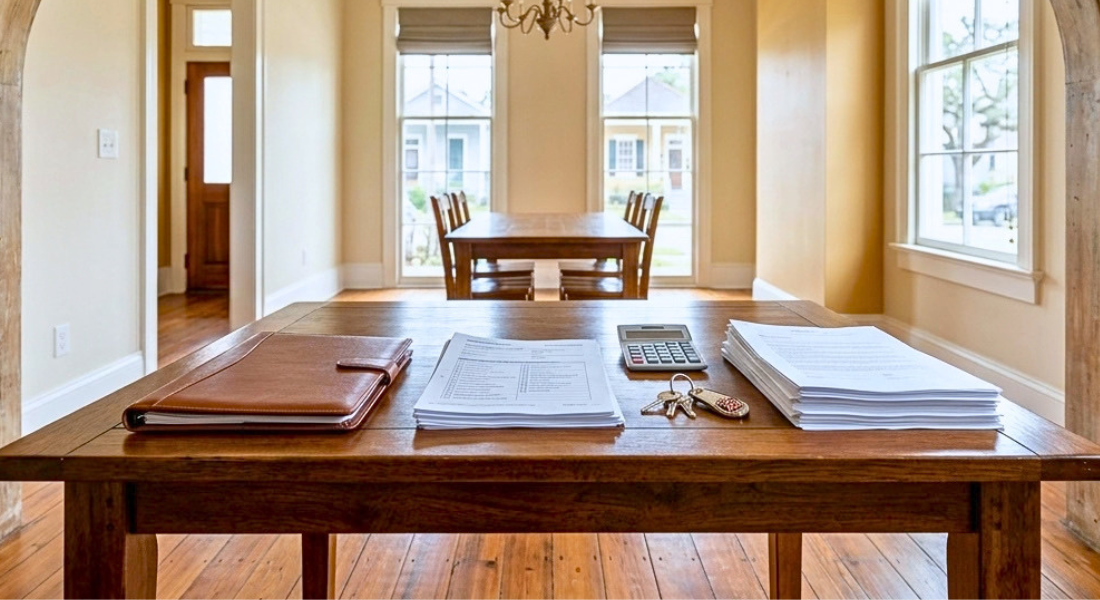
Your offer on a New Orleans home or condo is just the beginning. The real work happens during negotiations over the purchase agreement, where details like contingencies, closing timelines, and repair responsibilities get hammered out. Getting these terms right protects your interests and can mean the difference between a smooth closing and a costly surprise. Whether you’re a first-time buyer or an experienced investor, understanding how to negotiate effectively is essential in today’s market.
Know What to Negotiate Beyond Price
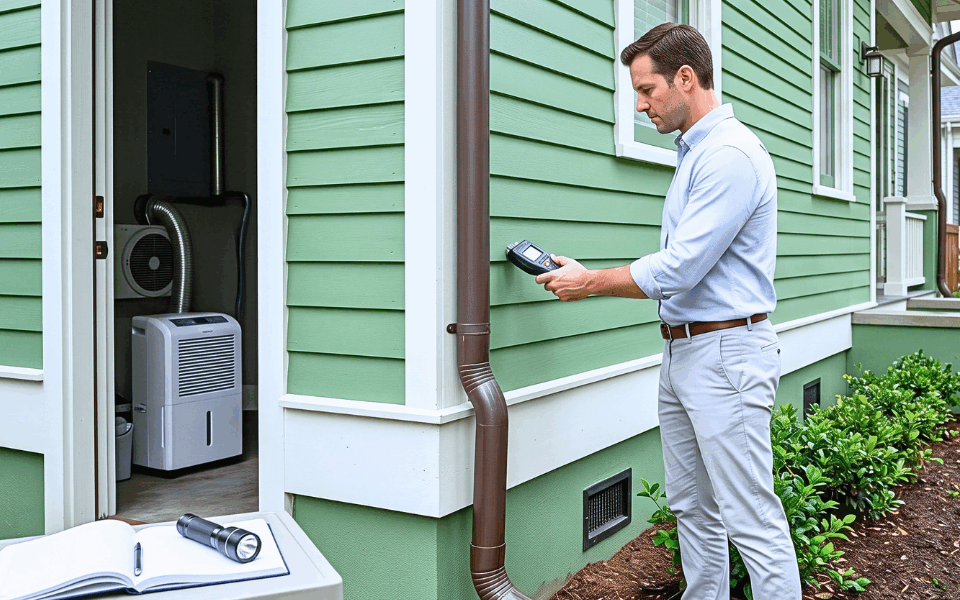
Most buyers focus solely on the purchase price, but the agreement contains dozens of other levers you can pull. Closing costs, for example, can often be split differently between buyer and seller. In New Orleans, property taxes and insurance rates vary widely by neighborhood, so clarifying who pays what during the closing can save thousands of dollars. Inspection periods matter too. A longer inspection window gives you time to hire professional inspectors and contractors to assess the property’s true condition, especially important in older homes common to areas like the Marigny and Bywater neighborhoods.
Appraisal contingencies protect you if the home appraises lower than your offer price. Without this clause, you could be obligated to pay the difference out of pocket. Likewise, financing contingencies allow you to back out if you can’t secure a loan. These aren’t negotiable in most cases, but contingency periods and timelines are fair game.
Understand Louisiana-Specific Considerations
New Orleans real estate operates under Louisiana law, which differs from other states in meaningful ways. The state uses a civil law system rather than common law, affecting everything from how title transfers to how disputes get resolved. Flood risk is also region-specific. Many properties require flood insurance, and some sit in high-hazard zones that can affect insurability and future resale value. Before you sign anything, make sure the agreement addresses flood disclosure and insurance requirements specific to the property’s location within the greater New Orleans area.
Termite and wood-destroying insect inspections are standard here and should be included as a separate contingency. These pests thrive in Louisiana’s humid climate, and structural damage from them can be expensive to repair. Your agreement should spell out who pays for treatment if damage is found.
About the Author: Billy Borrouso is a licensed real estate broker and Certified Residential Specialist (CRS) with over 20 years of experience in the New Orleans metropolitan area. Since 2004, Billy has guided buyers, sellers, and investors through every stage of the real estate process, from first-time home purchases to new construction in Old Metairie. He is a consistent NOMAR Gold Award recipient (2007–2011) and previously worked with Esslinger-Wooten-Maxwell Realtors, one of South Florida’s largest firms. Billy’s deep knowledge of New Orleans neighborhoods and his hands-on approach make him a trusted partner from start to finish.
Work With a Broker Who Knows Local Markets
Negotiating effectively requires understanding the specific neighborhood you’re buying in. Market conditions in the French Quarter differ dramatically from those in Metairie or Kenner. A broker familiar with your target community knows what repairs are typical, what similar properties have sold for, and what terms sellers are likely to accept. They’ll also understand local lender requirements and how HOA rules might affect your offer.
Your broker should walk you through the entire agreement before you sign. Red flags include vague repair allowances, overly tight contingency periods, or unusual closing cost splits. According to the National Association of Realtors, clear communication between parties during this phase prevents the majority of contract disputes.
When you’re ready to buy or sell in the greater New Orleans area, don’t leave your purchase agreement to chance. Every clause protects or exposes you.
Have questions about buying or selling? Reach out to us today and we’ll be happy to help you every step of the way.