New Orleans Home Buyers: Understanding Soil and Foundation Issues
New Orleans sits on challenging ground. The Mississippi River delta is beautiful and rich in history, but it creates unique foundation and soil conditions that can surprise unprepared buyers. Understanding these issues before you make an offer is essential if you want to protect your investment. Whether you’re a first-time buyer or returning to the market, learning how New Orleans soil behaves will help you ask the right questions. You can avoid costly surprises after closing by doing your homework early. If you’re ready to explore homes in the area, our buying guide can point you in the right direction.
Why New Orleans Soil Is Different
New Orleans was built on soft, compressible soils deposited by centuries of river activity. Clay, silt, and organic matter dominate the subsurface. Unlike regions with stable bedrock, our soil settles and shifts over time. Homes and structures naturally sink through a process called subsidence. Some areas of the city have subsided more than six feet over the past hundred years. That’s not minor settling; it’s a fundamental shift affecting how a house ages and how much maintenance it will need.
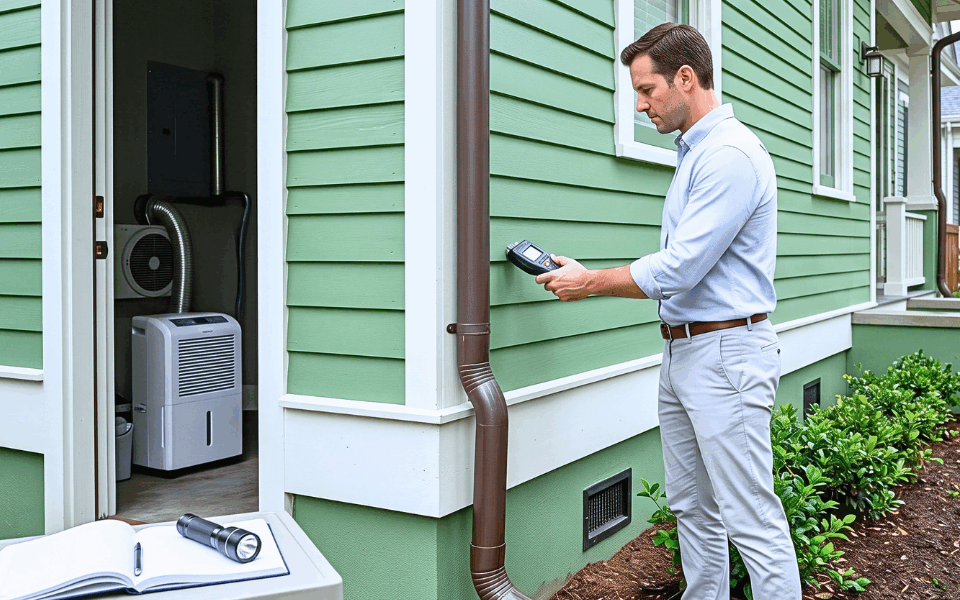
Water also plays a major role. The water table in New Orleans is extremely high, sometimes just a few feet below the surface. This constant moisture weakens soil and accelerates decay of untreated wood. It also increases hydrostatic pressure, pushing water up through foundation walls and into basements or crawl spaces. A home built without proper moisture barriers and drainage will struggle for its entire lifespan.
Foundation Types and What to Expect
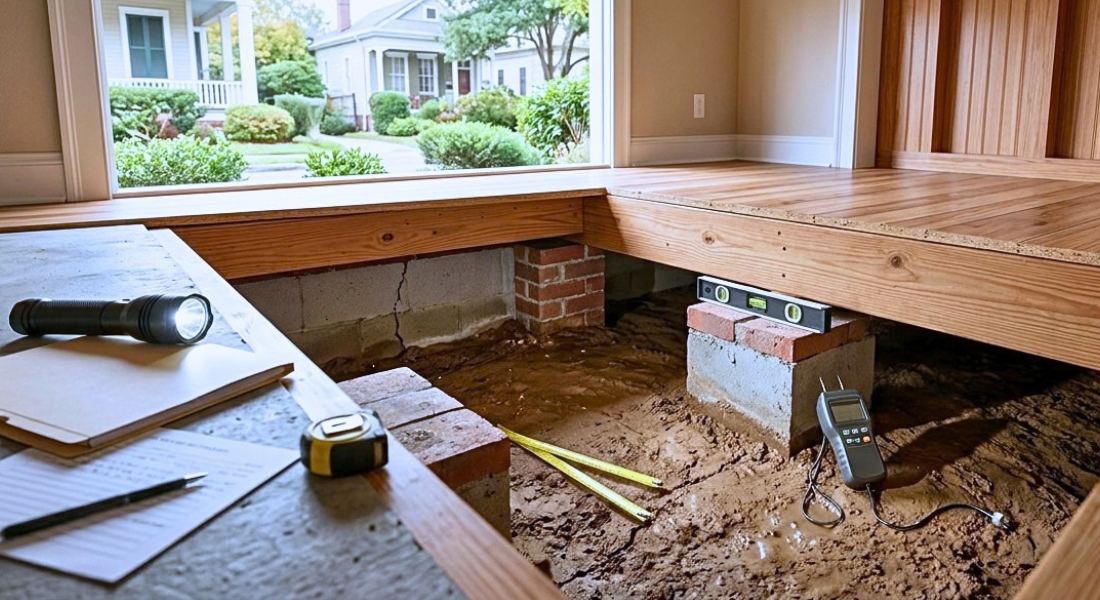
New Orleans homes rest on a few common foundation systems, each with different strengths and weaknesses. Many older homes sit on wooden pilings, which can rot if exposed to moisture or termites. Concrete slab foundations are common in newer construction but can crack as soil underneath settles unevenly. Raised foundations on masonry or concrete piers offer better flood and moisture protection but still require proper maintenance and monitoring.
When you inspect a home, look for visible cracks in foundation walls, uneven floors, or gaps between the house and its foundation. These signs suggest ongoing settlement. Ask the seller about any foundation repairs, and request copies of engineering reports or permits if work was done. A professional home inspector familiar with New Orleans neighborhoods can identify problems that matter most. Skipping the foundation inspection is risky, because it often reveals the most expensive future costs.
What to Do Before You Buy
Start with a geotech or foundation assessment if you’re serious about a property. The seller may already have one on file. If not, hire an engineer to evaluate soil conditions and foundation stability. The cost is typically a few hundred dollars, but it can save tens of thousands in future repairs. Request detailed disclosure forms from the seller. Ask specifically about water intrusion, foundation cracks, or any structural repairs. Many sellers must disclose known issues, and their answers often reveal what has been problematic.
Research the neighborhood elevation and flood history before committing to a purchase. Lower-lying areas experience more subsidence and greater flooding risk. Check the local FEMA flood maps and talk to neighbors about their experiences. Factor drainage and moisture control into your budget from the start. Proper gutters, grading, and sump pumps are baseline maintenance requirements in New Orleans, not optional upgrades.
Have questions about buying or selling? Reach out to us today and we’ll be happy to help you every step of the way.